Speaking
What is all this time for?
Talks that ask the question most rooms are avoiding, and give people something to practice on the way out.
Two TEDx talks, keynotes since 2013, and recent stages at Rising Economy, Podcast Movement, and CPA British Columbia. In the room or on the screen; Google, the Canada Revenue Agency, and Cowan Insurance have all had me on the screen. Every talk holds up whether or not anyone ever reads a word I’ve written. Nothing is a sales pitch in disguise.
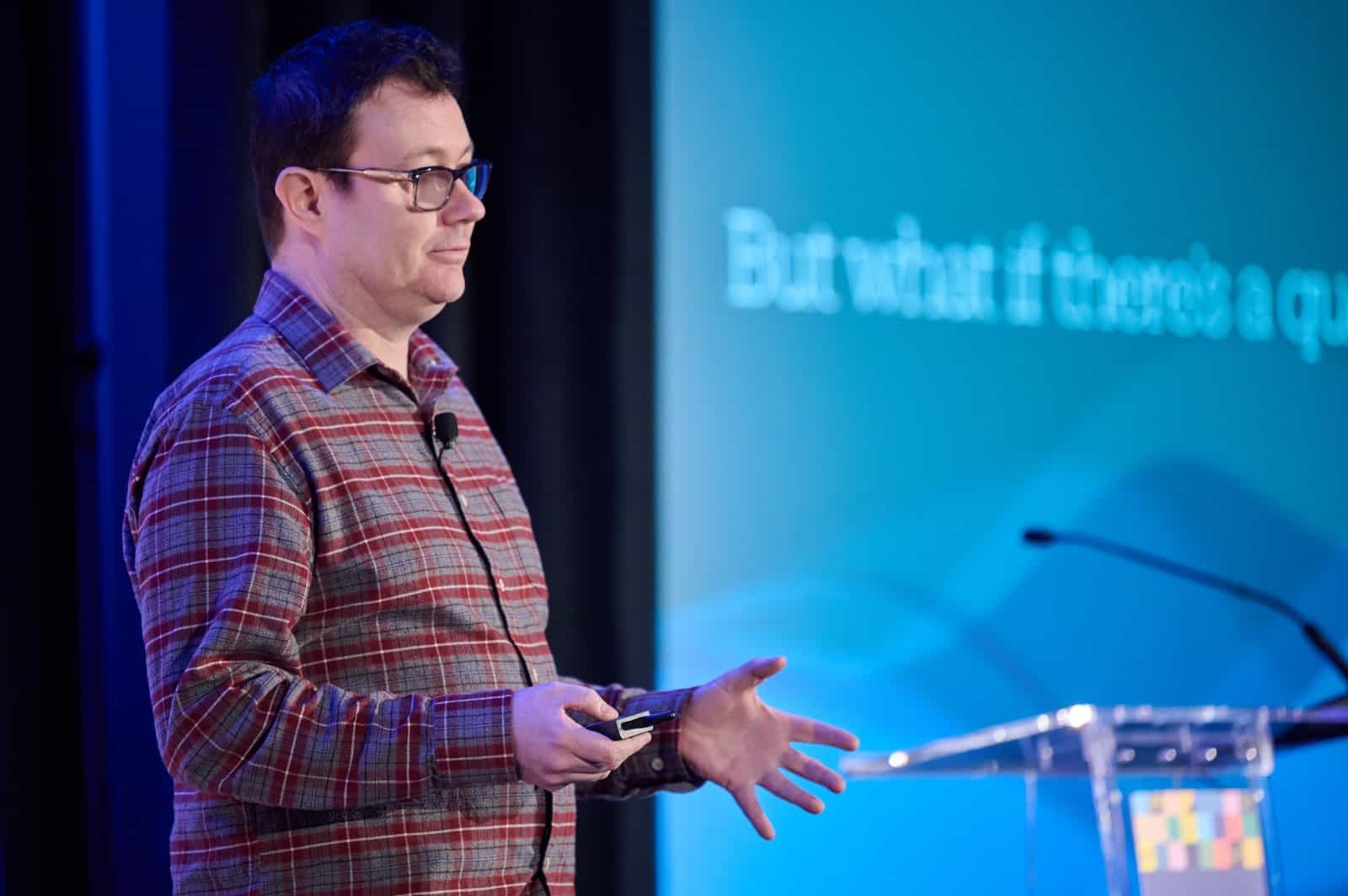
Watch
How to Stop Time · TEDx Victoria. The argument that started all of this: focus on the tasks, and the clock starts working for you.
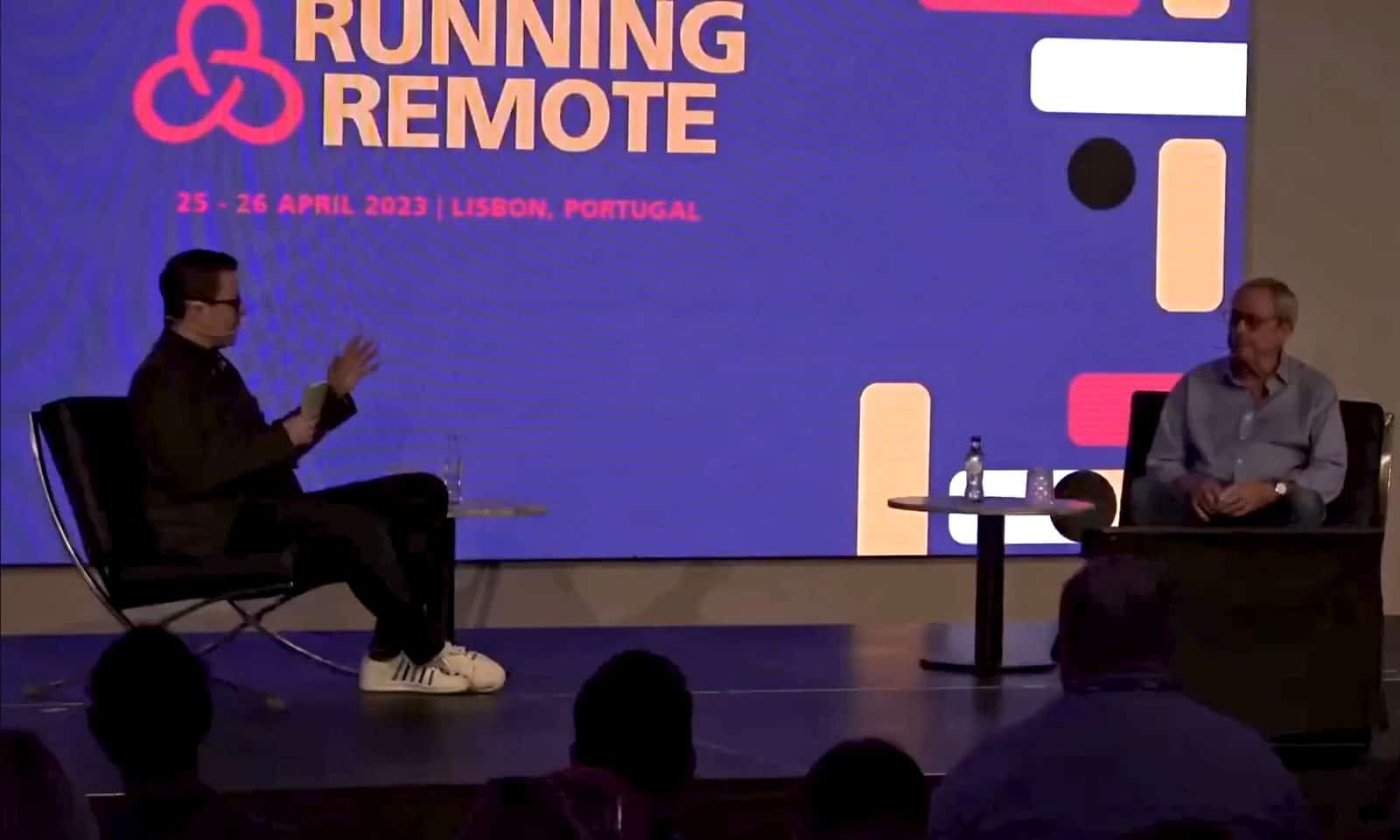
The paradox of self-management · In conversation with David Allen, Running Remote, Lisbon. Forty minutes, two chairs, no slides.
Current talks
Three talks, each built to be revised. Keynote length is 45 to 60 minutes; each one also runs as a 20-minute version for a tighter program.
Productiveness: Be Before You Do
For leadership events, conferences, and any room that’s tired of being told to do more.
Productivity is a machine word. It arrived with the factories, it measures how much and how fast, and it will never ask whether the thing you’re producing was worth producing at all. There’s an older word, and this talk is an argument for taking it back: nine principles, in a deliberate order, for being the person before being the output.
People leave with one question they didn’t walk in with, and one principle to practice that week.
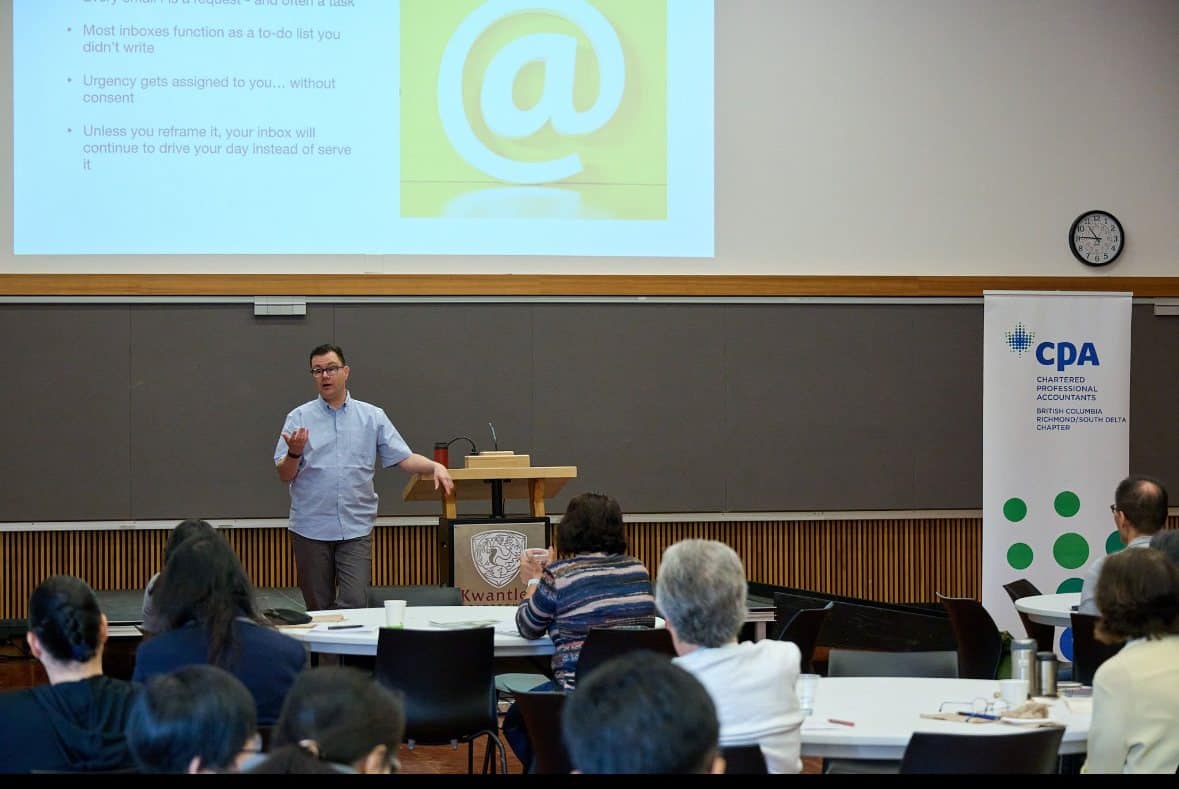
Stop Managing Time. Start Crafting It.
For teams, associations, and anyone whose system broke the first week life got complicated.
You don’t have a time problem. You have a fit problem. This is the TimeCrafting talk: why most productivity advice fails for a reason nobody mentions, and what a structure built around your own time, energy, and attention actually looks like. Time theming, attention paths, and the reflective habit that keeps either from going stale.
It works whether the room runs on apps or paper, and it’s the talk that most often becomes a workshop afterward.
The Podcast Isn’t the Point
For creator, media, and podcasting audiences.
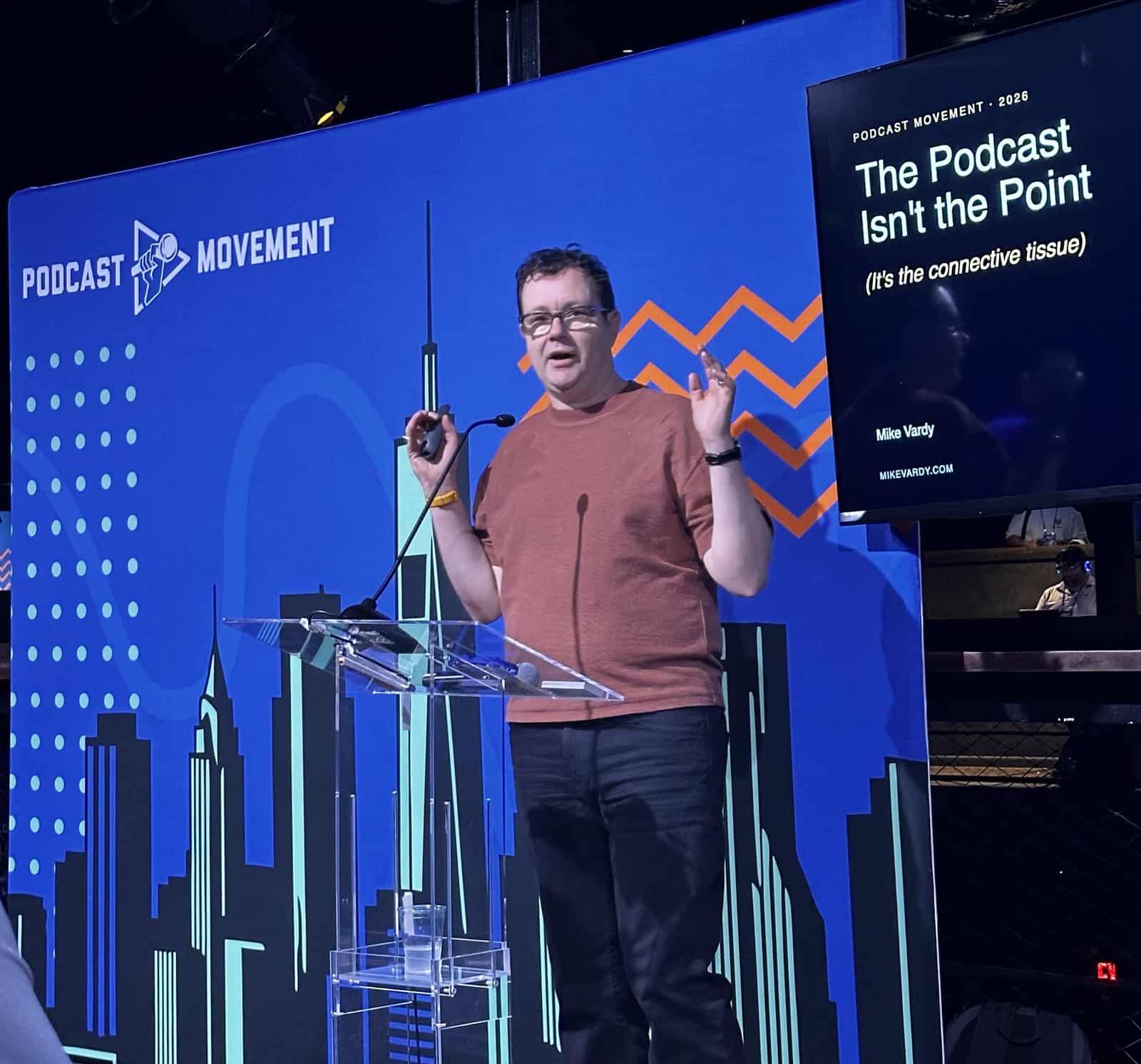
Eighteen years behind a microphone without stopping, and I’ve never once called myself a podcaster. The show was always connective tissue, never the body. This talk is about building the thing the podcast serves, so that the podcast can serve it. Given at Podcast Movement in New York in 2026; available again for rooms where it fits.
What it asks of you
- A conversation before the event, so the talk is built for the room and not just delivered to it.
- A clear brief on who’s in the seats and what they’ve already been told this year.
- Honesty about budget up front. I’d rather know early than negotiate late.
What I commit to
- A talk that stands on its own. No pitch from the stage, no funnel in the slides.
- A resource for every attendee afterward, related to the talk, free, and not gated behind an email.
- Plain terms on recording: live delivery and your event replay are included; wider reuse is scoped separately, in writing.
- Telling you if a different talk, or a different speaker, would serve the room better.
In the room, or on the screen
Virtual isn’t the discounted version. It’s a different room.
In person
A keynote or a session built for the room, with the conversation before it and the resource after. I’ve been on stages from TEDx to SXSW to Podcast Movement, and in company rooms from Cowan Insurance in Cambridge to Rising Economy in Victoria.
Virtual, live or recorded
I’ve run sessions for Google’s sales team, the Canada Revenue Agency, and Cowan Insurance, where a small group sat in the office while the rest of a distributed workforce watched from wherever they were. For Tax Retreat, I recorded a short session and 150 copies of the book went home with their attendees. The fee is less than in person. What you save is the flight, the hotel, and the two days either side of the talk. What you keep is the talk.
Fees, and how I quote them
I price by who’s in the room, not by the hour. Corporate and conference bookings are at the standard rate for an established author and speaker. Professional associations are priced to make the booking possible. A few mission-aligned events a year are chosen, not discounted. Virtual is less than in person.
Books for your attendees can be part of any of these, and they change the math. Author copies of Productiveness with signed bookplates and a welcome video can arrive before the talk, after it, or instead of it this year. Tax Retreat did books and a video first; the room comes next.
Tell me about the event and I’ll send a number, usually within a day. Terms are the same everywhere: half on booking, the balance on completion.
What organizers say
Attendees rated the session a mean of 25.14 out of 30. Mike was professional, engaged, and I’d recommend him without hesitation.
One of the best speakers I’ve worked with. Entertaining and humorous, and audiences leave with new insights.
The talk was well received. Mike is both a subject-matter expert and an energetic, humorous speaker.
Mike’s workshop gave our team a common language and tools to work together more effectively. I highly recommend it to any organization.
Stages since 2013
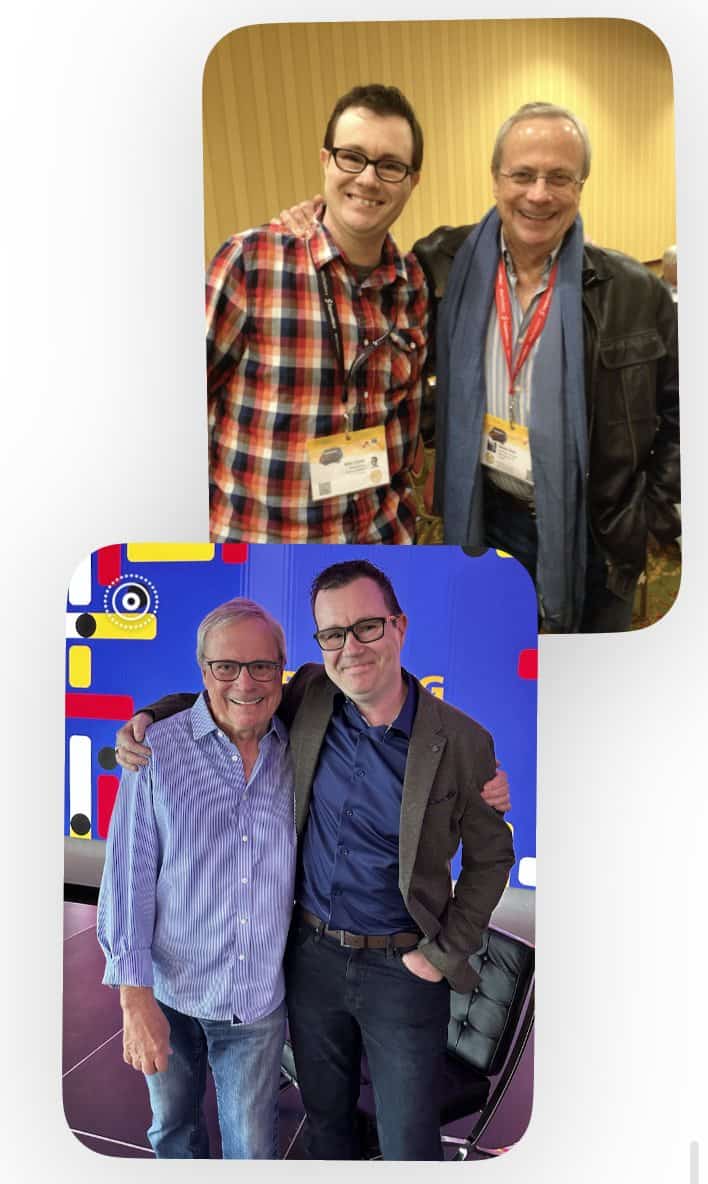
With David Allen: SXSW, 2014, and ten years later at Running Remote, Lisbon 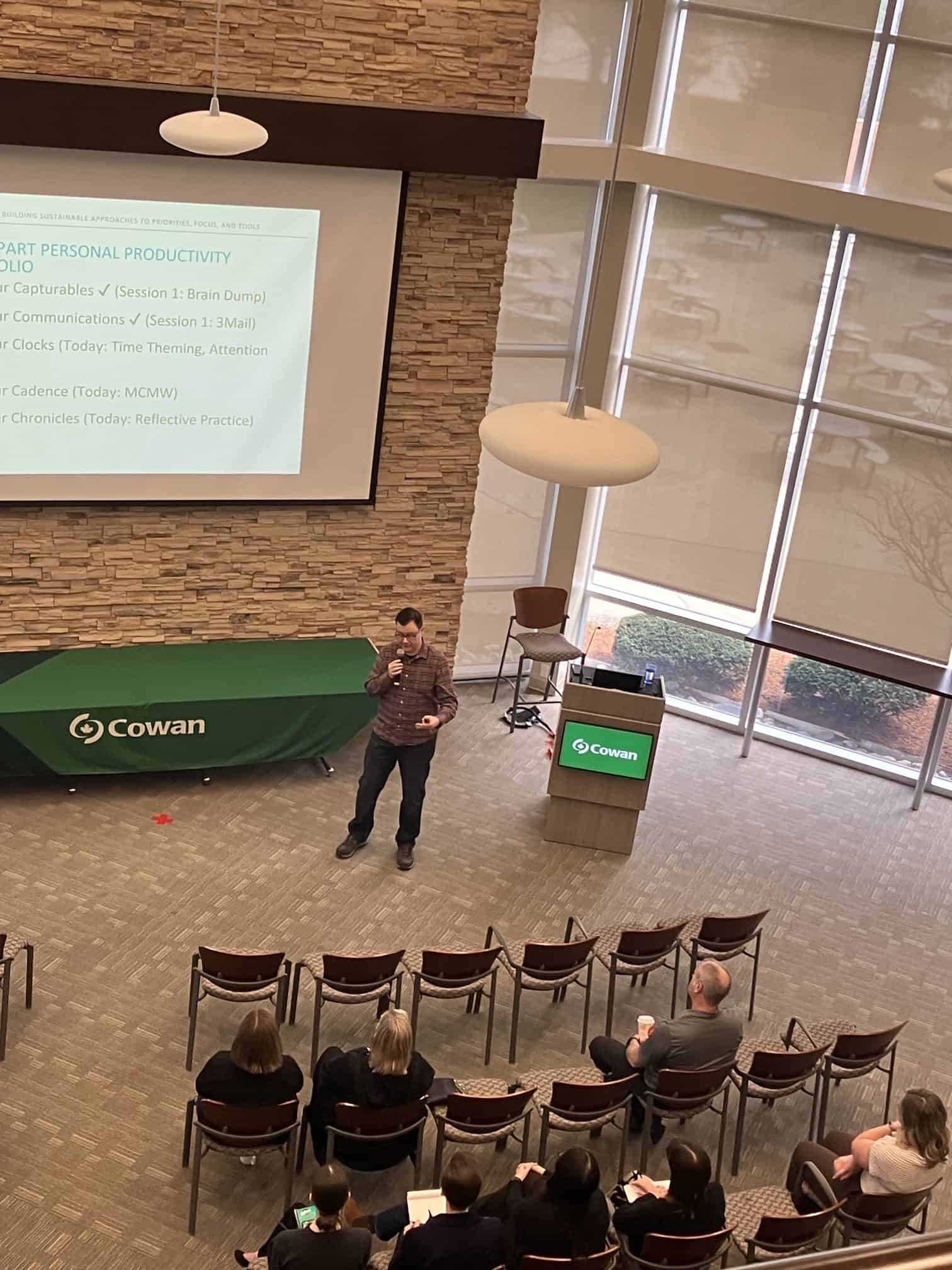
Cowan Insurance, Cambridge ON · April 2026 · a small room, and the rest of the company watching remotely Podcast Movement, New York · 2026
Also: Google, the Canada Revenue Agency, TEDx Victoria and TEDx Juan de Fuca, South by Southwest, World Domination Summit, FinCon, creativeLIVE, the National Association of Professional Organizers, Professional Organizers in Canada, Think Better Live Better (five years running), Social Media Camp, SOHO Victoria, and Tax Retreat.
This won’t suit every event
- If you want a hacks session. Ten tips to get more done is a different talk, and other people give it well.
- If the talk needs to sell something. Mine don’t, including my own books. Attendees get a resource, not a pitch.
- If you need a guarantee of behavior change. I can promise the talk and what people leave with. What they do with it is theirs.
Have a room in mind?
Tell me about the event, the audience, and the date. I’ll tell you plainly whether one of these talks fits, and what it would cost.